
Ubiquitous connection indeed
Phew, Jesse’s presentation was quite the ride! He packed an enormous amount of information into two hours, and had some strong (!) opinions. It was a lot to absorb, and I came away with an unsettling sense of the dangers of this age of “ubiquitous connection”, but no clear idea of how to address them.
But maybe that’s the point. We are at sea as the digital world charges forward, and there is no rulebook to turn to. I’ve felt this strongly as a Gen X parent. Our kids are living lives on social media that we never experienced. We see the negative impact on their mental health and try different approaches: we hold out on buying the cellphones, restrict apps and games, limit screen-time, watch documentaries on the dangers of social media together… But I’m not sure anything has much of an impact, other than annoying our kids. We are the guinea pig generation of parents in the digital age. I hope the following ones will feel better-equipped than us.
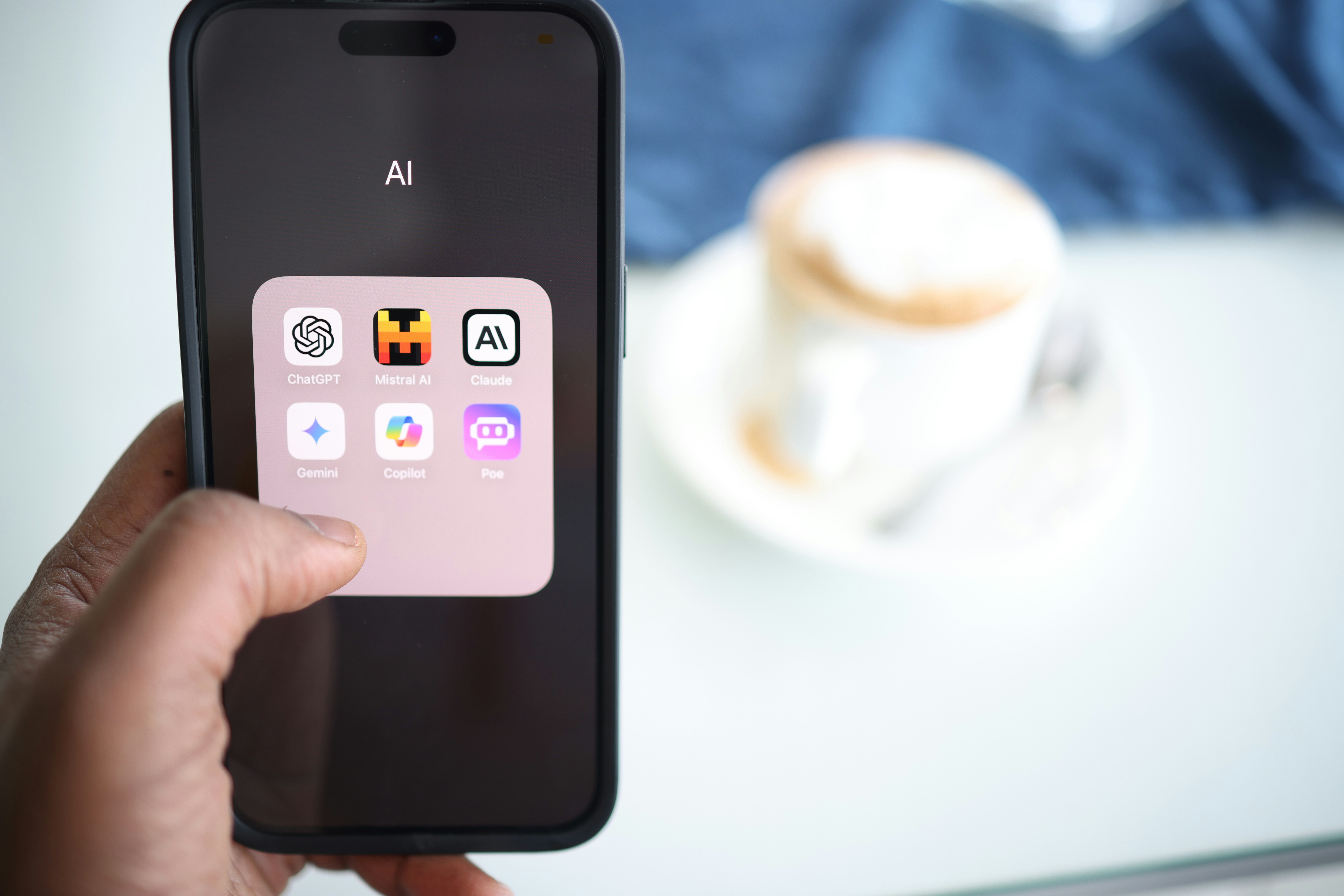
I do agree with Jesse that there’s no hiding from this issue. Much though I’d love to go back in time and raise my kids in the 80s, it isn’t going to happen and, as teachers, we need to play a role in developing our students digital literacy. I was particularly interested in Jesse’s slide on “Integrating AI with the Four C’s of Digital Literacy”. Until recently, my own experience of AI was limited to an English literature class last year, where I critiqued a ChatGPT response to an essay title for my final project. I chose this option as I’d never used AI before and was keen to see what all the fuss was about. I found that ChatGPT was masterful at distilling available information, but that it lacked the human understanding and insight needed to produce a meaningful essay, at least in the field of literature.
I didn’t give ChatGPT any further thought until we read Nomisha Kurlan’s shocking article about “AI’s empathy gap” last semester. It made me remember how I’d gone off on a few conversational tangents with ChatGPT during my English project and been amazed at how lifelike the responses felt, to the point that I’d had involuntary feelings of empathy towards it. I’d simply given my head a shake and laughed at myself at the time. But for a child, without the knowledge and reasoning abilities of an adult, AI’s pretense at empathy might be taken for reality.
So I agree with Jesse that it’s important to bring age-appropriate use of AI into the classroom. Yes, AI can be fun, useful and creative, but it’s responses need to be critically evaluated. And despite it’s appearance of empathy, it is not a person and does not have our best interests at heart. These are essential conversations.
I am personally beginning to embrace the use of ChatGPT. This semester I’ve used it to speed up research, help with brainstorming ideas, and to find quotes. I am also exploring ways to use it outside school: check out my inquiry post this week. This is the side of ChatGPT that I can get behind – it’s use as a tool to ease our lives. Although I still need to work on breaking my habit of saying please and thank you to it…